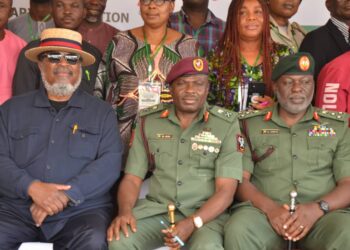

As the # EndBadGovernanceInNigeria protests loom, set to take place nationwide from August 1 to 10, the Nigerian Army, in collaboration with other security forces, has significantly ramped up security measures across Abuja and its surrounding areas. This move is part of a broader strategy to maintain order and ensure the safety of residents and protesters alike.
Multiple checkpoints have been established at key locations, enhancing the security apparatus within the Federal Capital Territory (FCT). Notable areas with heightened security include Bwari, a significant checkpoint in this densely populated suburb known for its educational institutions and residential areas; Dutsen-Alhaji, aimed at monitoring and controlling traffic flow to ensure commuter and resident safety; Karu Junction on the Abuja-Keffi Expressway, crucial for monitoring movement in and out of the FCT; Mogadishu Cantonment before the military cantonment on the Abuja-Keffi Expressway, highlighting the strategic importance of this military facility; and Giri Junction on the Abuja-Lokoja Highway, vital for monitoring traffic and ensuring commuter safety on this major thoroughfare. Additionally, commuters using the Zuba-Dei-Dei Expressway, a critical route for those traveling to work, have reported multiple roadblocks from Sabon-Wuse to Dikko Junction in Niger State and from Zuba to Dei-Dei within the FCT, which are essential for maintaining order and ensuring smooth traffic flow.
In a concerted effort to manage the anticipated protests, the Nigerian government has deployed a substantial number of security personnel. This includes 4,200 police personnel specifically deployed to the FCT, emphasizing the government’s commitment to maintaining peace and order during the protests. The Immigration Service’s presence is crucial for monitoring and managing any potential influx of people into the FCT during the protest period. Known for their rapid response capabilities, mobile police units are strategically positioned to address any arising issues swiftly. Various other security bodies have also bolstered their presence, ensuring a comprehensive security network throughout the FCT.
The #EndBadGovernanceInNigeria movement has garnered significant attention, drawing citizens from various walks of life to protest against perceived governance failures. The protests aim to address numerous issues, including corruption, inefficiency, and lack of accountability in government institutions. The Nigerian government’s proactive approach in deploying security forces and establishing checkpoints underscores its commitment to ensuring the safety of both protesters and the general public. The presence of these security measures is intended to prevent any potential escalation of violence and to ensure that the protests remain peaceful.
While some residents have expressed frustration over the increased checkpoints and the resultant traffic delays, others have appreciated the government’s efforts to maintain security during this critical period. The heightened security measures are seen as a necessary step to safeguard lives and property. As the protests approach, the situation in Abuja and its environs remains tense but under control. The government’s actions reflect a balance between upholding the right to peaceful protest and ensuring public safety, aiming to navigate this period of civil unrest with minimal disruption to daily life.